
Newsletter Subscribe
Enter your email address below and subscribe to our newsletter
Enter your email address below and subscribe to our newsletter

 ByJohn A
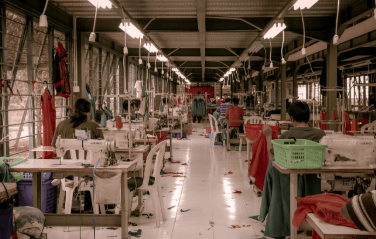
Ethical manufacturing in fashion integrates sustainability, labor rights, and transparent governance across sourcing, production, and delivery. Data-driven metrics reveal performance gaps early and guide remediation. Progressive brands align material choices, factory conditions, and wage standards with accountable certification and traceability. The result is a view of risk and impact that compounds over time, driving reforms that are scalable and verifiable. Yet questions remain about implementation speed, stakeholder alignment, and measurable outcomes that justify ongoing investment.
Ethical manufacturing reshapes the fashion supply chain by embedding sustainability and labor standards into sourcing, production, and delivery decisions. The analysis highlights transparent sourcing workflows and traceable governance, enabling rapid risk detection and remediation.
Performance dashboards quantify improvements, while supplier collaboration accelerates accountability. This approach fosters worker empowerment, clarifies expectations, and aligns incentives toward responsible scaling and long-term resilience across global networks.
Measuring impact in ethical fashion relies on robust metrics that quantify labor conditions, environmental performance, and transparency across the supply chain. The framework aggregates labor rights indicators, verified audits, and grievance data with environmental metrics such as water use, emissions, and waste diversion. Transparent dashboards enable accountability, benchmark progress, and empower stakeholders to challenge underperformance while fostering continuous, data-driven improvements for lasting freedom.
Building on the assessment framework for labor, environment, and transparency, this section examines how raw inputs and supplier networks shape ethical outcomes.
Data indicate sustainable fibers reduce environmental footprint while traceability bolsters accountability.
Networks prioritizing fair wages and verifiable sourcing enable informed decisions.
Forward-looking metrics quantify risk, enforce continuous improvement, and empower brands to align procurement with principled, freedom-oriented stewardship.
How can brands translate ethical commitments into concrete, auditable practices across design, sourcing, and manufacturing? The analysis highlights brand practices as measurable levers for progress, with certification guiding verification and accountability reinforcing trust. Transparency enables stakeholder scrutiny, while data-driven dashboards track metrics, incidents, and remediation. Forward-looking frameworks align autonomy and compliance, empowering responsible growth within a transparent, auditable supply network.
See also: The Future of Customer Experience Technology
The question examines protections beyond minimum standards: worker protections include formal grievance channels, independent audits, and transparent reporting; fair compensation is pursued through living-wage benchmarks, overtime controls, and performance-based incentives aligned with productivity and dignity for workers.
Ethical practices can raise consumer costs modestly, though efficiencies and scale may offset many increases. Data-driven analysis shows ethical sourcing and strengthened worker protections can align costs with long‑term quality, transparency, and freedom through accountable supply chains.
Data verification is rigorous and ongoing, and compliance sharing is transparent and standardized. The approach emphasizes auditable records, verifier independence, and timely disclosures, enabling stakeholders to track risk, drive improvements, and support freedom through accountable supply-chain governance.
Small brands shape ethical manufacturing by pursuing transparent sourcing, collaborating with verifiable suppliers, and leveraging scalable audits. They emphasize accountable traceability, engage in ethical collaborations, and expand small brand sourcing practices that balance freedom with data-driven responsibility.
Auditing cadence can assess supply chain ethics with minimal disruption, balancing continuous data collection against disruption risk. The approach emphasizes transparent metrics, proactive remediation, and scalable audits, enabling brands to pursue freedom through accountable, future-oriented, evidence-based governance.
In pursuing principled progress, the fashion field fortifies futures with transparent metrics, traceable workflows, and timely remediation. Data-driven dashboards delineate diligent distinctions between suppliers, decoupling doubt from design. Brands balance bold, boundary-pushing innovation with rigorous, responsible rigor, ensuring fair wages, safe spaces, and sustainable sourcing. Accountability amplifies alignment, audits, and action, turning ethical intent into measurable impact. By embracing collaborative certification and continuous improvement, the industry maintains momentum toward scalable, principled, prosperous progress.
